
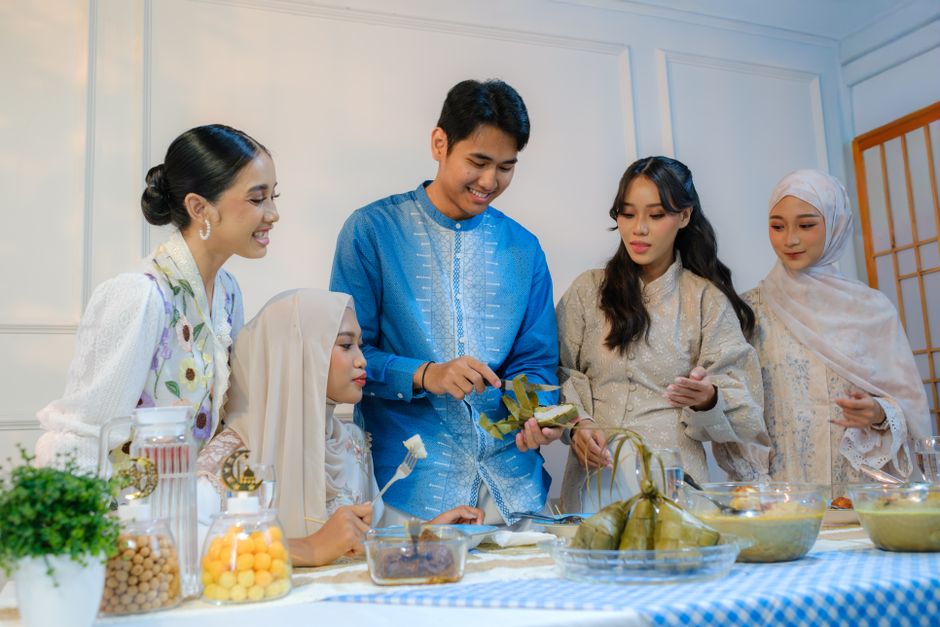
Why Indonesian Muslim Helpers Are The Top Choice For Singapore Muslim Households: Halal Compliance, Cultural Fit, And Agency Insights For 2025–2026
11 Sept 2026
The Strategic Choice for Singapore Muslim Households: Why Indonesian Muslim Helpers Lead the Halal Home Market
In Singapore’s fast-evolving domestic helper market, a quiet revolution has been underway-especially within Muslim households seeking reliable, halal-compliant home support. Historically, the city-state’s blend of cultures and faiths has shaped unique household needs, with halal food preparation, respect for Islamic rituals, and seamless integration remaining central for Muslim families. Today, amid expanding agency networks and data-driven placement platforms, one trend stands out: Indonesian Muslim helpers are now widely recognised as the default, strategic choice for Muslim homes in Singapore. This exposé investigates the roots of that preference, its real-world implications, and the innovations shaping its future-anchored by the latest agency guidance and market data.
Understanding the Singapore Landscape: Legacy, Regulation, and Demand
Historical context and migration policies: Singapore’s reliance on migrant domestic workers spans several decades, shaped by Ministry of Manpower (MOM) regulations, evolving source country partnerships, and shifting household expectations. Approved countries for domestic helpers include Indonesia, the Philippines, Myanmar, India, Bangladesh, Malaysia, Sri Lanka, Thailand, among others. While nationality is not a legally binding criterion, market data and agency practices reflect clear patterns in placement strategy.
Current demand and competitive dynamics: According to government and media reports, thousands of migrant domestic workers enter or await entry into Singapore every quarter, keeping the sector dynamic and highly competitive (The Straits Times). Within this ecosystem, agencies increasingly specialise in matching candidates to nuanced household needs, with Muslim-oriented agencies emerging as market leaders in halal-home placements.
Preference Data: Why Indonesian Muslim Helpers Are Favoured
Halal familiarity and religious alignment: Data consistently shows that Indonesian Muslim helpers are best suited for Muslim households. Multiple Muslim-focused agencies confirm that the vast majority of helpers placed in such homes are Indonesian Muslims, citing their intrinsic familiarity with halal cooking, daily prayer routines, and Ramadan preparation (Jaz Helpers, InterGreat). Agency FAQs highlight Indonesian helpers as "commonly preferred" due to their religious background and food handling expertise.
Cultural proximity and practical benefit: A nationwide maid-information portal affirms that Singapore’s Muslim population tends to prefer Indonesian maids for their cultural similarity and shared values (SearchMaid). This proximity translates to lower risk of misunderstandings, reduced training overhead, and seamless integration-especially in households with strict halal kitchens. As one agency notes, Indonesian maids are “best for Muslim households” precisely because these helpers intuitively understand religious dietary restrictions and prayer routines (BlissHelper).
Operational Realities: Halal Kitchen Management and Religious Routines
Halal food handling and kitchen integrity: Muslim-oriented agencies now screen Indonesian Muslim candidates for their ability to manage halal kitchens-including separate utensils, cookware, and storage to prevent cross-contamination. Most Indonesian helpers placed in Muslim homes possess hands-on experience preparing halal meals and upholding kitchen standards that exclude pork and alcohol (Jans Maid). This expertise is not merely procedural but rooted in lived experience, offering families peace of mind.
Prayer times and Ramadan support: Agencies market Indonesian Muslim helpers as respectful of prayer times and flexible in adjusting chores around the family’s religious schedule. During Ramadan, these helpers can prepare sahur and iftar while maintaining their own fast, ensuring the household’s needs are met without sacrificing worker well-being (InterGreat). Such operational compatibility reduces friction and creates a supportive home environment.
Comparative Analysis: Other Nationalities in Muslim Households
Filipino and Myanmar helpers: Filipino and Myanmar helpers remain popular across Singapore, praised for their English proficiency, childcare skills, discipline, and lower cost profiles. However, agencies note that these helpers often need additional training to navigate halal kitchen separation and religious routines, as they typically do not come from Muslim-majority backgrounds (Femme5). Agencies emphasise that while non-Muslim helpers can learn halal practices effectively, it requires more structured onboarding and supervision.
“Fit” versus compliance: MOM regulations prohibit discrimination by nationality, and all helpers must meet minimum standards for age, gender, and education (BritCham Guide). As such, suitability for a Muslim household is a matter of fit-diet, culture, communication-not regulatory compliance.
Cost Structures and Regulatory Context in Singapore (2025–2026)
Salary bands and overhead: Muslim maid agencies report salary ranges for Indonesian Muslim helpers at S$550–S$700 per month, excluding standard government costs like levy, insurance, and the S$5,000 security bond for non-Malaysian helpers (Medina Maids). Myanmar helpers may undercut this price, appealing to budget-sensitive employers but with potential for higher training costs in halal homes. Total outlay includes salary, government levy, insurance, medical exams, and mandatory security bonds.
Worker welfare and risk management: MOM and industry guides stress the importance of respecting helpers’ religious beliefs and diets, prohibiting employers from forcing helpers to eat non-halal food or violate practices (MOM cuisine guide). For agencies and large employers, failing to adhere can result in disputes, reputational damage, and legal consequences.
Emerging Trends: Technology, Data-Driven Placement, and Industry Innovation
Specialisation and digital matching: Recent agency content and FAQs (2025–2026) reveal a continued, explicit focus on Indonesia for Muslim household placements. Agencies now brand themselves as Muslim maid specialists, stating that “most helpers we place for Muslim homes are Indonesian Muslim helpers” (InterGreat). Modern matching platforms allow employers to filter by nationality, religion, language, and dietary preferences, reducing placement risk and enabling real-time, tailored selections (JForce).
Training and SOP evolution: Even with experienced Muslim helpers, agencies recommend written SOPs for halal versus non-halal storage, handling guests’ food, and workflow around prayer times and Ramadan. For non-Muslim helpers, clear documentation and ongoing supervision remain vital, as halal practices are procedures that can be taught and monitored, not beliefs (Jaz Helpers: Guide).
Comparing Perspectives: Employer Needs vs. Worker Experience
Employer priorities: For Singapore Muslim households, the strategic imperative is clear: ensure compliance with halal routines, maintain home harmony, and minimise training time. Many families report that Indonesian Muslim helpers integrate fastest, requiring little adjustment to household rituals.
Worker realities: For helpers themselves, being placed in a Muslim household with familiar routines can reduce culture shock, support religious observance, and foster greater job satisfaction. Agencies note that proper matching increases retention, lowers disputes, and builds mutual respect-an outcome valued by both sides.
“For Singapore Muslim households, the future lies in intelligent placement: leveraging data-driven platforms and culturally attuned agency expertise to secure helpers who not only understand halal routines but embody the values that make a home feel truly aligned. Indonesian Muslim helpers are, for now and likely the foreseeable future, the gold standard-the challenge will be scaling this model sustainably as demand surges.”
Real-World Implications: Risks, Rewards, and Forward-Thinking Strategies
Placement risk and integration: For agencies, matching non-Muslim helpers to strict halal households introduces operational risk-increased training, potential dietary conflicts, and longer onboarding periods. By contrast, prioritising Indonesian Muslim pools reduces friction, speeds integration, and delivers greater client satisfaction.
Business-side innovation: Leading agencies now use intake forms that filter candidates not just by nationality but by religious alignment, prior halal kitchen experience, and language capabilities. This granular matchmaking ensures optimal fit and ongoing household harmony.
Scenario Planning: Scaling with Demand and Evolving Regulation
Managing demand and resource scarcity: With ongoing competition for experienced Indonesian Muslim profiles-and thousands of workers entering Singapore each quarter-agencies face resource constraint and must innovate to maintain supply (NetMaid).
Regulation and employer responsibility: As MOM reiterates, employers must respect helpers’ religious and dietary needs. Agencies that fail to educate clients, or place mismatched helpers, risk reputational harm and legal penalties. Proactive SOPs, transparency, and ongoing support are critical.
The Future Trajectory: Strategic Takeaways for Decision Makers
Halal compliance and value creation: The evidence is conclusive-Indonesian Muslim helpers represent the most strategically suitable nationality cohort for Singapore Muslim households that prioritise halal cooking, religious practice, and minimal training overhead (InterGreat).
Technology, market differentiation, and sustainable growth: The next frontier will be scaling this model with data-driven platforms, enhanced worker welfare, and deeper community engagement. Agencies and employers that invest in smart matching, robust SOPs, and respect for worker beliefs will set new standards for household support.
Conclusion: As Singapore’s domestic helper sector matures, the alignment between household values, helper background, and operational excellence will only become more crucial. For Muslim families, the strategic choice is now both data-backed and experience-proven: Indonesian Muslim helpers offer unmatched fit, integration, and support. The challenge for industry leaders is to scale this advantage without compromising on respect, training, or ethical standards. In a world where home harmony and halal compliance matter, this placement strategy is not just a trend-it is an imperative for the future.