
How effective is running an air purifier in reducing indoor PM2.5 during haze?
1 Nov 2026
Running an air purifier during haze in Singapore can significantly reduce indoor PM2.5, fine particulate matter harmful to health, often cutting levels from around 190 µg/m³ outdoors to about 40 µg/m³ indoors in well-sealed rooms. However, its effectiveness depends on choosing the right purifier size, maintaining filters, keeping windows and doors closed, and minimizing indoor pollution sources. This guide explains what to expect from air purifiers during haze and how to get the best results for your household.
How Effective Are Air Purifiers in Reducing Indoor PM2.5 During Haze?
Studies and practical examples show that using a suitably sized air purifier can reduce indoor PM2.5 concentrations substantially, often from very unhealthy outdoor levels (~187 to 194 µg/m³) to more manageable indoor levels around 40 µg/m³. This dramatic reduction can make indoor air safer, especially for children, the elderly, and those with respiratory issues.
It is important to note that this improvement is not guaranteed in every household. Effectiveness varies with room size, how well the room is sealed, purifier airflow (measured as CADR), filter condition, and other indoor particle sources such as cooking, candles, and incense.
Closing windows during haze helps but does not guarantee low indoor PM2.5, because particles can still enter through door gaps and ventilation systems. Also, opening windows when outdoor air quality is poor usually increases indoor PM2.5 levels. Therefore, air purifiers are an important additional measure to maintain better indoor air quality during haze episodes.[1], [3]
Choosing the Right Air Purifier for Your Home

When selecting an air purifier for haze, focus on its particle Clean Air Delivery Rate (CADR), measured in cubic metres per hour (m³/h). This value indicates how much clean air the purifier delivers per hour. Ignore marketing terms like “covers up to 50 m²,” as these can be misleading.
For a typical Singapore living room sized around 30 m² with a 2.5 m ceiling, aim for a CADR between 350 and 400 m³/h. This roughly equals five air changes per hour, which is considered effective to reduce PM2.5 significantly.[2]
If your home has open-plan areas, higher ceilings, or frequent door openings, or if haze episodes are severe, consider a purifier with a higher CADR. Using a smaller unit may still help but will clean the air more slowly.
Regarding filters, HEPA is the preferred choice because it offers the clearest assurance for capturing fine particles. However, non-HEPA filters can be acceptable if the manufacturer provides credible PM2.5 removal performance and CADR testing. Regardless of the filter type, airflow, filter quality, and proper sealing around the unit are critical to performance.[7]
Maximizing Air Purifier Effectiveness During Haze
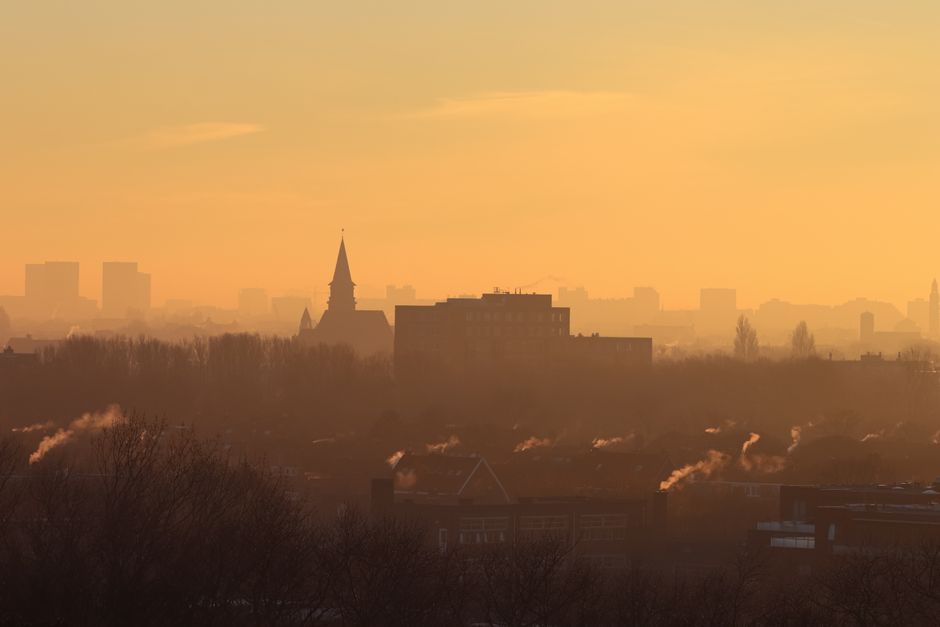
- Close windows and doors while outdoor PM2.5 is elevated to limit haze particles entering.
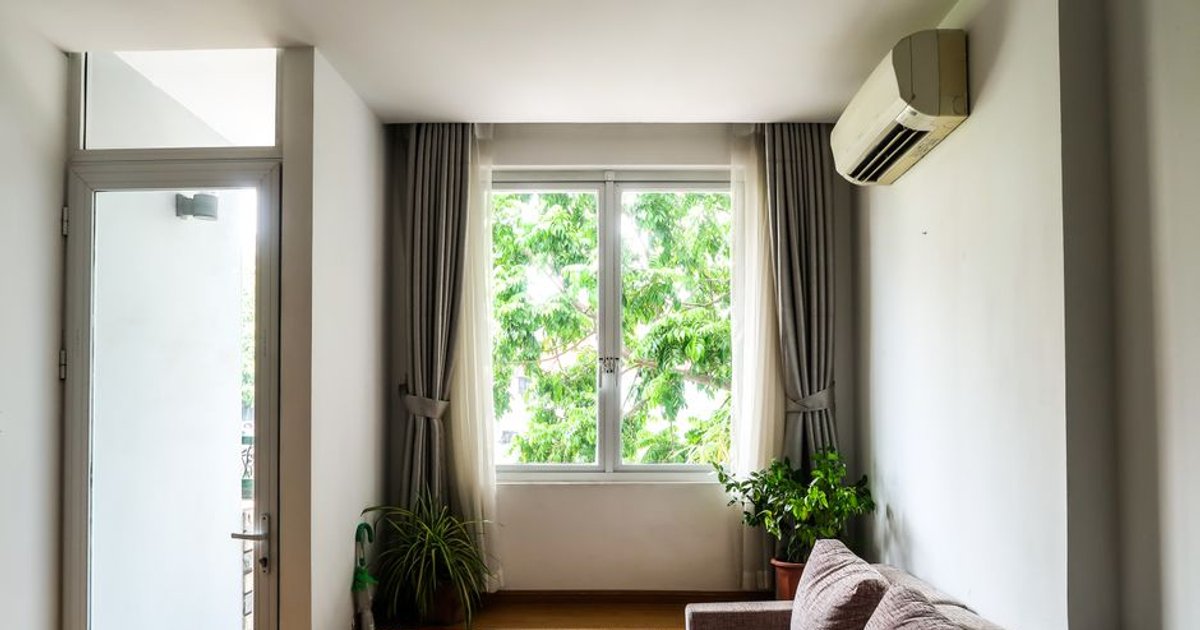
- Set air-conditioning to recirculation mode where possible. Check if your AC’s fresh air intake draws in outside air, which may contain haze.
- Place the purifier where air can flow freely, near the center of the occupied area is ideal but not mandatory. Avoid corners and tightly enclosed spaces.
- Keep the purifier’s intake and outlet clear. Do not place the unit against curtains, furniture, or walls that block airflow.
- Run the purifier continuously or at a higher speed during severe haze. When air quality improves, you can reduce the fan speed.
- Reduce indoor sources of particles, such as frying, burning incense, candles, smoking, and dusty cleaning activities.
- Only reopen windows briefly when outdoor air quality improves to refresh indoor air without drawing in haze.
Common Mistakes to Avoid
- Leaving windows or doors open during haze, which can negate purifier benefits.
- Purchasing an undersized purifier with a CADR too low for the room volume.
- Ignoring filter maintenance, dirty or clogged filters reduce effectiveness.
- Placing the purifier where airflow is obstructed by furniture, walls, or curtains.
- Relying solely on air purifiers without controlling indoor pollution sources.
- Assuming indoor air quality will always be better than outdoors without active measures.
Summary
For most Singapore households, using a properly sized air purifier with a CADR of about 350 to 400 m³/h in a 30 m² living room, combined with closing windows and minimizing indoor smoke or dust, can substantially reduce indoor PM2.5 during haze episodes. While no purifier guarantees perfect air, appropriate selection and correct use significantly improve indoor air quality and help protect your family.
If you are considering hiring a domestic helper to assist with household tasks during haze periods, ensure they understand these precautions too. Managing indoor air quality is one part of a healthy household environment alongside other important decisions like choosing suitable helper care, insurance coverage, and budgeting.
For more detailed health advice, always consult your healthcare provider or official Singapore sources such as HealthHub Singapore.
Related guides
- Is The Xiaomi Smart Pet Care Air Purifier Effective Against Haze In Singapore? Practical Advice For Families And Employers
- Does Aircon Protect You From Haze In Singapore? Practical Home Guide For Cleaner Indoor Air
- Why Your Air Purifier Isnt Keeping Singapores Haze Out: Essential Home Tips For Cleaner Indoor Air
How GoodHelp can help
- Find the right helper: Answer a few questions and we'll shortlist helpers who suit your home.
- Helper price check: See what a helper costs each month: salary, levy, insurance and agency fees.
- Good local businesses: Home services and shops in your neighbourhood that locals recommend, with member deals.
- Become a Trusted Reviewer: Try local services, write honest reviews and get paid by PayNow.