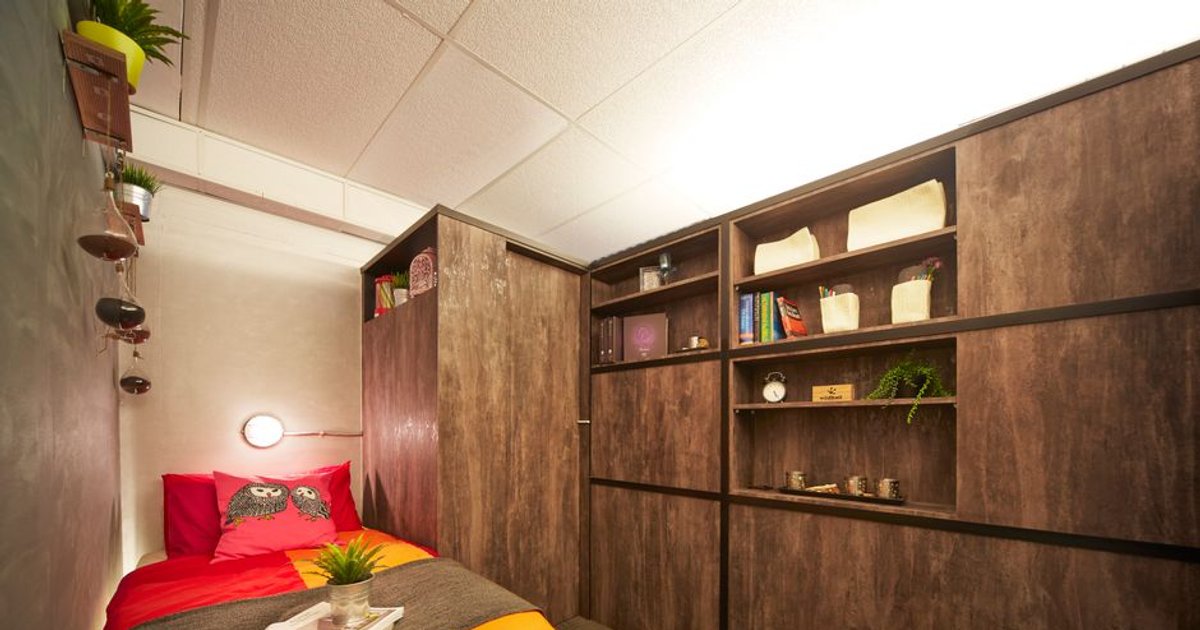

Domestic Helper Accommodation Guidelines For Singapore Homes
25 Nov 2026
Balancing Privacy and Comfort: How to Create Shared Living Spaces for Helpers and Families in Singapore Homes
For Singapore households, hiring a domestic helper is no longer just about finding someone to handle chores; it is a significant decision involving legal, financial, and design considerations. As families navigate the best way to find a maid in Singapore or assess if a helper is right for their unique needs, the issue of shared accommodation rises to the top of practical household management. Whether dealing with infant care, elderly support, or general housework, how you house your helper impacts the well-being of every member of your home, not least the helper herself.
Key Trends and Strategies
1. Accommodation as Part of the Employment Relationship
Singapore’s Ministry of Manpower (MOM) makes it clear: Employers must provide safe, adequately ventilated, and private accommodation for their helpers. A separate room is preferred but, where not possible, privacy and space still matter. The core question is not just “Can a mattress fit?” but “Does the space respect safety, privacy, and dignity?”
2. Privacy and Safety are Interconnected
Privacy is not only about comfort. It is a safety and safeguarding issue for both helper and household. Poor privacy can lead to fatigue, embarrassment, higher turnover, and even conflict. Especially in families with adult or teenage males, clear boundaries and private changing/sleeping areas are essential, a standard reinforced by official guidelines.
3. Shared Space Does Not Mean Unrestricted Access
It is a misconception to treat every hour and space as a work zone for the helper simply because she lives in the home. Defining boundaries between shared spaces, private family zones, and the helper’s own area reduces friction and helps maintain both productivity and respect.
4. Surveillance Rules: Privacy in a Connected Home
Modern homes often use cameras for security and care. MOM mandates full disclosure of camera locations and prohibits recording in sleeping, changing, and bathroom areas (source). Employers must recognise that surveillance crosses into privacy and dignity. Transparent policies and clear communication are vital, particularly when a sleeping area is in a common space.
Join the conversation
See this article on our social channels.
5. Design Strategies for Compact and Open-Plan Homes
HDB flats and condos need different solutions. Smaller homes often require creative partitions, while condos may present issues with glass walls, service yards, or utility rooms. In both situations, the arrangement should meet seven tests: shelter, ventilation, safety, modesty, privacy, rest, and clear boundaries (guidance).
6. Cost-Effectiveness without Cutting Corners
While families are rightly conscious of the total cost involved, from salary to maid insurance in Singapore, cost savings should not come at the expense of dignity or safety. Often, modest improvements like installing a fan, creating stable partitions, or providing secure storage yield significant returns in harmony and productivity.
State and Recommendations
- Plan Accommodation Before Hiring: Decide on the helper’s sleeping area, bathroom access, and privacy arrangements before you start recruiting. Use a floor plan and walk through household routines at different times of the day.
- Follow the Seven-Point Practical Framework: Evaluate any proposed helper sleeping area for shelter, ventilation, safety, modesty, privacy, rest, and boundaries.
- Invest in Essentials, Not Excess: Provide a good mattress, pillow, blanket, storage, personal space, and temperature control. Don’t use the helper’s area as a storeroom.
- Set Privacy and Surveillance Policies: Disclose all camera locations, forbid recording in sleeping and changing areas, and have clear rules about entry and personal boundaries.
- Match Arrangement to Routine: Think in terms of routines, not just raw space. Make arrangements that address early morning, night care, guest visits, and family traffic.
- Adjust for Household Changes: Reassess arrangements when there’s a new baby, a child becomes mobile, an elderly person's needs increase, or the family moves or renovates.
- Communicate Openly: Have candid, non-accusatory discussions about comfort, privacy, and any issues, and revisit the arrangement regularly.
- Choose Insurance Carefully: Match your helper insurance or household insurance to real risks, avoiding both over- and under-insuring. Confirm details and exclusions with your provider.
Summary Table: Choosing the Right Fit for Your Household
| Comparison Factor | Good Practice | Poor Practice |
|---|---|---|
| Finding the right helper | Assesses fit for care needs, privacy, household dynamics | Merely finds next available candidate |
| Live-in vs Part-time | Evaluates family schedule, space, and privacy needs | Chooses by cost alone, ignores boundaries |
| First-time helper vs Experienced | Weighs adaptability, preference for training or self-starters | Focuses only on resume length |
| Skills vs Attitude | Balances technical ability and willingness to learn | Assumes skills alone ensure fit |
| Cultural Fit vs Resume Fit | Considers language, food, routines, sensitivities | Bases decision only on previous employer references |
| Infant Care vs Elder Care vs General Care | Matches helper’s strengths to primary household need | Assumes one arrangement fits all |
| Agency vs Direct Hire | Considers guidance, support, recourse options | Goes for DIY without understanding legalities |
| Premium Agency vs Standard Agency | Assesses value-added services, aftercare support | Chooses by upfront fee only |
| Higher Salary vs Better Overall Fit | Offers competitive terms for best match | Seeks lowest cost regardless of suitability |
| Trial Mindset vs Long-term Relationship | Invests in onboarding, clarity, feedback | Gives up or changes helpers quickly |
| Employer Responsibility vs Helper Expectations | Clarifies duties, privacy, rest, and boundaries | Leaves arrangements vague or one-sided |
| Comprehensive Insurance vs Cheapest Insurance | Reviews risks, coverage, and exclusions | Chooses lowest premium without checking gaps |
| Over-insuring vs Under-insuring | Matches coverage to real needs | Duplicates or omits critical protection |
| Household Convenience vs Cost | Invests in sustainable improvements | Trades off dignity and safety for savings |
| Saving Money vs Cutting Corners | Prevents expensive problems later | Creates hidden costs and tension |
Segmentation: Matching Arrangements to Unique Household Needs
New Parents Needing Infant Care
Challenge: Need for night help and proximity, risk of sleep disruption and blurred boundaries.
Opportunity: Use a private sleeping area near the infant but not inside the nursery; schedule rest periods and avoid permanent “on call” status. Set up baby monitors to focus on the crib, not the helper’s bed.
Families Caring for Elderly Parents
Challenge: Continuous care needs, privacy for elder and helper, often shared rooms.
Opportunity: Assign a sleeping area close to the bathroom, provide for secure storage and changing privacy, and clarify which emergencies require waking the helper. Ensure compliance with modesty rules, never assign helper to share a room with an adult or teenage male.
Working Couples (General Household Help)
Challenge: Compact spaces, overlapping routines, need for flexible scheduling.
Opportunity: Use partitions to create a usable, private zone even in a living room or study. Establish quiet hours and define access times for shared spaces.
Households Cutting Everyday Costs
Challenge: Tendency to allocate leftover space, risk of overlooking safety and privacy.
Opportunity: Focus on essential improvements, sturdy partitions, fans, secure storage, rather than expensive renovations. Review household insurance to ensure neither over- nor under-insuring.
Comparison: Challenges and Opportunities
- Infant care requires more night-time flexibility and clear boundaries so the helper gets proper rest.
- Elder care needs privacy for personal routines and well-defined emergency procedures.
- General household support benefits from skilful scheduling and physical separation, even in shared spaces.
- Cost-saving households should distinguish between wise spending and false economies, always maintaining a baseline of dignity and safety.
“The real question isn’t whether a helper can physically live in your home, but whether everyone, helper and family alike, can rest, work, and live together with privacy, safety, and dignity.”
Conclusion: What Comes Next for Singaporean Households
For those seeking to find a helper in Singapore or optimise an existing arrangement, the case for proactive planning is clear. Accommodation is a legal responsibility, a core part of hiring, and an investment in harmonious family life. As expectations evolve and multi-functional homes become the norm, it is essential to design around routines, value privacy as a form of protection, and reassess arrangements as needs shift.
Looking ahead, Singapore families who integrate these principles, from transparent privacy policies to cost-effective upgrades and open communication, will find themselves not just compliant, but building the right kind of environment for trust, productivity, and mutual well-being.
The strategic opportunity is to treat every accommodation decision as central to the household’s success, not an afterthought. As homes and needs change, so too must our approach to living well together.
Related guides
- The Ultimate Step-by-Step Guide To Switching Helper Insurance Providers In Singapore: Protect Your Household And Stay MOM Compliant
- How To Spot And Avoid Costly Domestic Helper Scams In Singapore: Red Flags, Official MOM Checks, And Safe Hiring Steps
- The Ultimate Guide To Essential Household And Domestic Helper Insurance In Singapore For 2024
How GoodHelp can help
- Find the right helper: Answer a few questions and we'll shortlist helpers who suit your home.
- Helper price check: See what a helper costs each month: salary, levy, insurance and agency fees.
- Good local businesses: Home services and shops in your neighbourhood that locals recommend, with member deals.
- Become a Trusted Reviewer: Try local services, write honest reviews and get paid by PayNow.